
Determining the field of view of a PTZ (Pan-Tilt-Zoom) camera is crucial, but it’s not always easy. People often choose PTZ cameras because they want to observe distant objects. However, they may sometimes overestimate how far the camera can actually see. In this guide, we will discuss the key features that influence the field of view of PTZ cameras. By examining these, we’ll gain a better understanding of the factors that truly affect the visible distance of PTZ cameras.
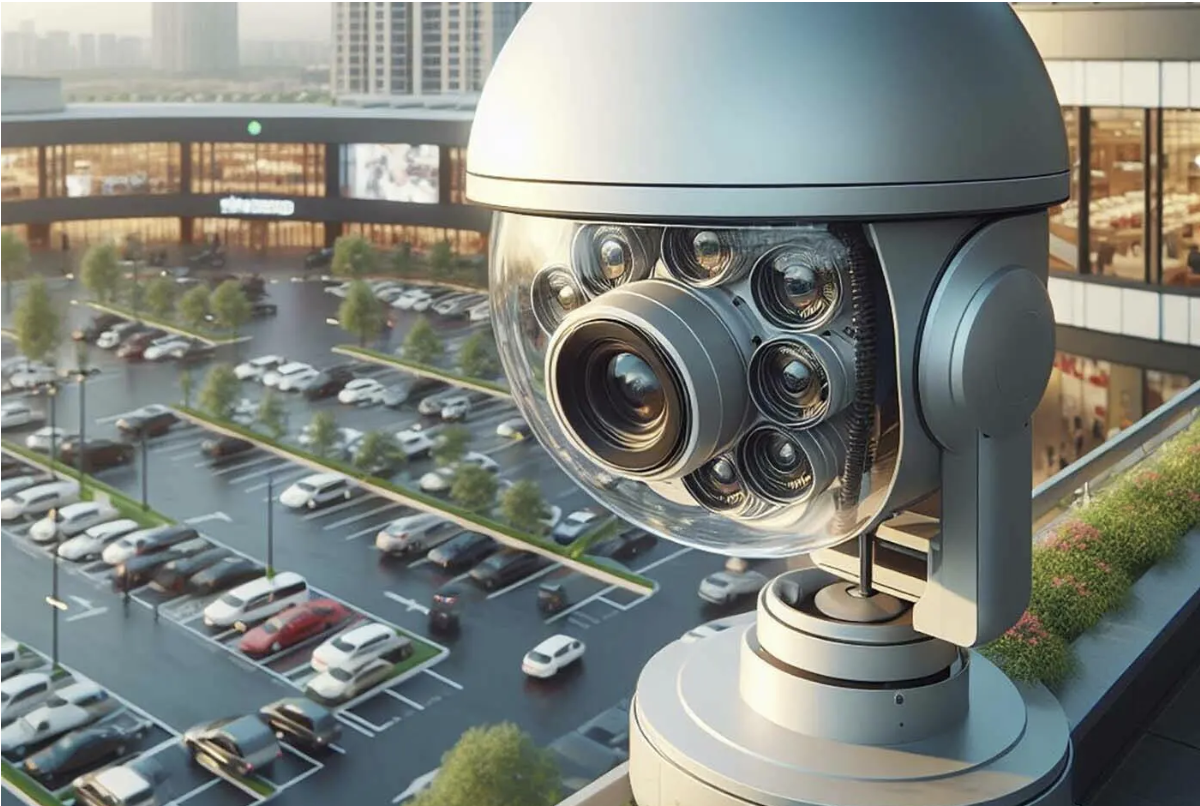
Applications of PTZ Cameras
PTZ cameras are highly versatile. They allow for easy panning, tilting, and zooming in various directions, providing ultra-clear views of distant objects. However, these cameras come in different types depending on their zoom capabilities.
- Short-Range Zoom Cameras: These cameras typically offer 4x or 5x optical zoom, providing moderate magnification suitable for close-range observation or indoor environments.
- Mid-Range Zoom Cameras: These cameras have an optical zoom range of 15-25x, offering enhanced magnification for medium-range views, outdoor spaces, or smaller outdoor areas.
- Long-Range Zoom Cameras: These cameras have optical zoom capabilities ranging from 26x to 40x, extending their coverage for larger outdoor spaces or distances that require stronger zoom functionality.
- Ultra-Long-Range Zoom Cameras: These specialized cameras are typically used in military-grade applications, offering zoom capabilities ranging from 1 km to a staggering 50 km, enabling large-scale surveillance or highly specialized long-distance requirements.
Testing the 25X PTZ Camera: Results and Recommendations
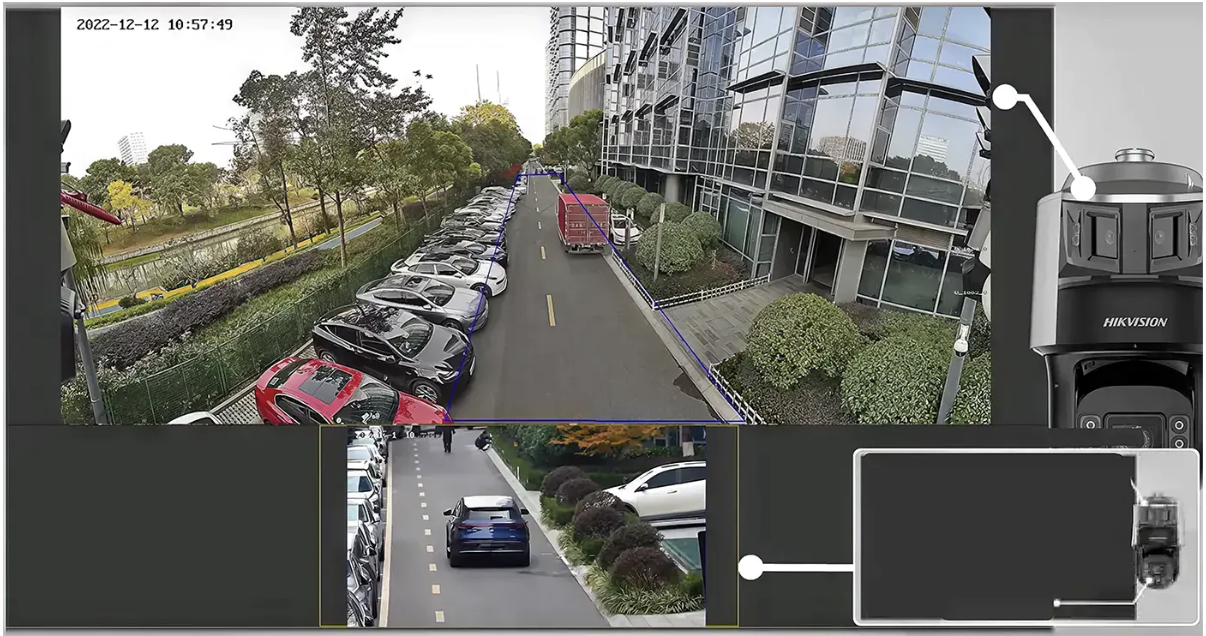
We will test the performance and distance of the Hikvision TandemVu PTZ Camera. This particular camera is a specialized surveillance solution that combines two cameras in one housing. It integrates a PTZ (pan-tilt-zoom) camera and a panoramic camera to provide comprehensive monitoring capabilities in a single device. The PTZ functionality allows users to focus on specific areas or objects with precise control and detailed observation. Meanwhile, the panoramic camera offers a wide-angle view, covering large areas without constant movement or adjustment.
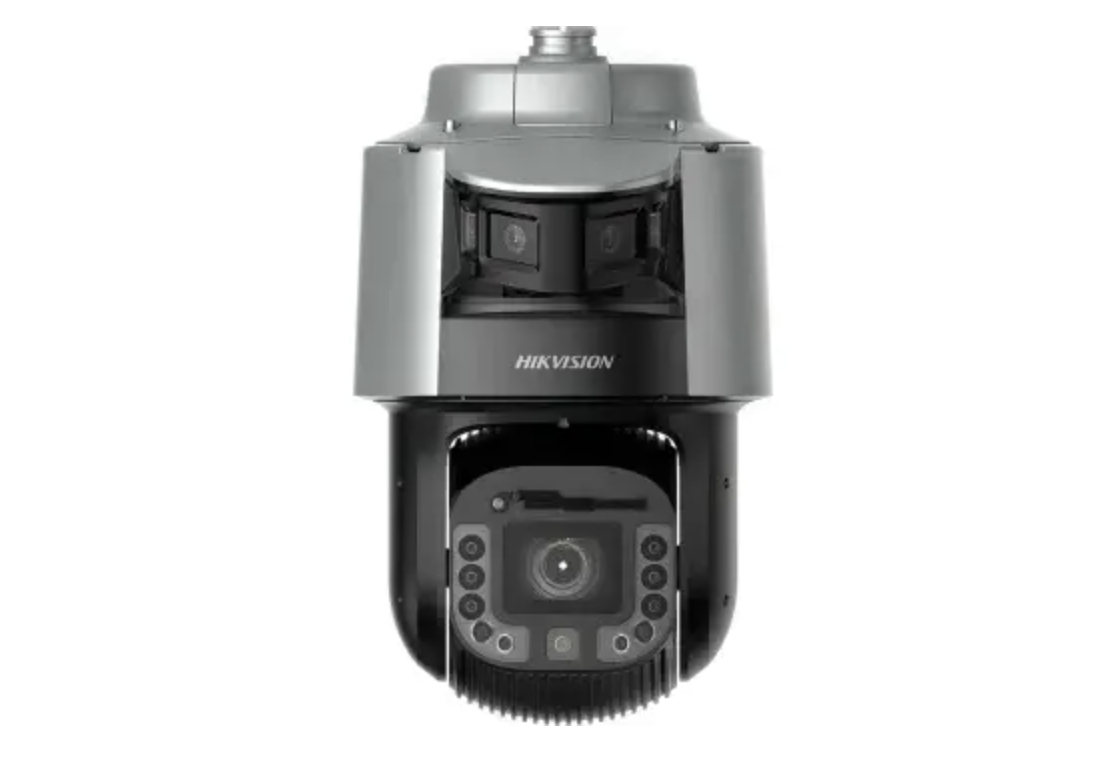
By combining multiple lenses, this camera provides a broad field of view while offering detailed zoom capabilities.
- Wide Angle View: The panoramic channel offers a 180° ultra-wide field of view.
- Smart Connectivity: The panoramic channel automatically detects targets and tracks them instantly via the PTZ channel.
- PTZ Model: DS-2SF8C442MXG-ELW/26 (TandemVu 8-inch panoramic 4 MP 42X DarkFighter Network Speed Dome).
This camera can capture a wide range of details, thanks to the DarkFighter technology, offering high-quality 6 MP resolution for clear imaging both day and night. The panoramic channel can be tilted from 12° to 24° to provide multiple coverage ranges. With a 42x optical zoom and 16x digital zoom, it can monitor vast areas, offering up to 30 meters of white light range and 300 meters of infrared night vision range. It also supports intelligent functions for enhanced analysis and detection.
The camera’s lens range is from 2.8 mm to 252 mm, with a resolution of 4 MP.
Overall, the exact visible distance of a PTZ camera depends on various factors, including the camera’s resolution, lens size, and the level of detail required for recognition or observation. In this case, the camera’s lens size range is from 2.8 mm to 252 mm, with a 4 MP resolution.
The camera’s field of view is influenced by the lens focal length and installation height. Generally speaking, lenses with larger focal lengths provide greater zoom, allowing for greater magnification of distant objects.
For lenses ranging from 2.8 mm to 252 mm, the camera can cover wide areas when zoomed out and focus on specific details when zoomed in.
It is important to consider the monitoring purpose—whether it’s for wide-angle coverage or detailed identification of distant objects. Additionally, environmental factors, lighting conditions, and the required level of detail should be taken into account.
Expected Visible Distance for PTZ Cameras
| Lens Setting (mm) | Expected Distance (m) | Expected Distance (ft) |
| 2.8 | 15 | 49 |
| 4 | 20 | 66 |
| 8 | 30 | 98 |
| 12 | 40 | 131 |
| 24 | 60 | 197 |
| 48 | 85 | 279 |
| 100 | 100 | 328 |
| 120 | 140 | 459 |
| 150 | 180 | 590 |
| 200 | 250 | 820 |
| 252 | 400 | 1312 |
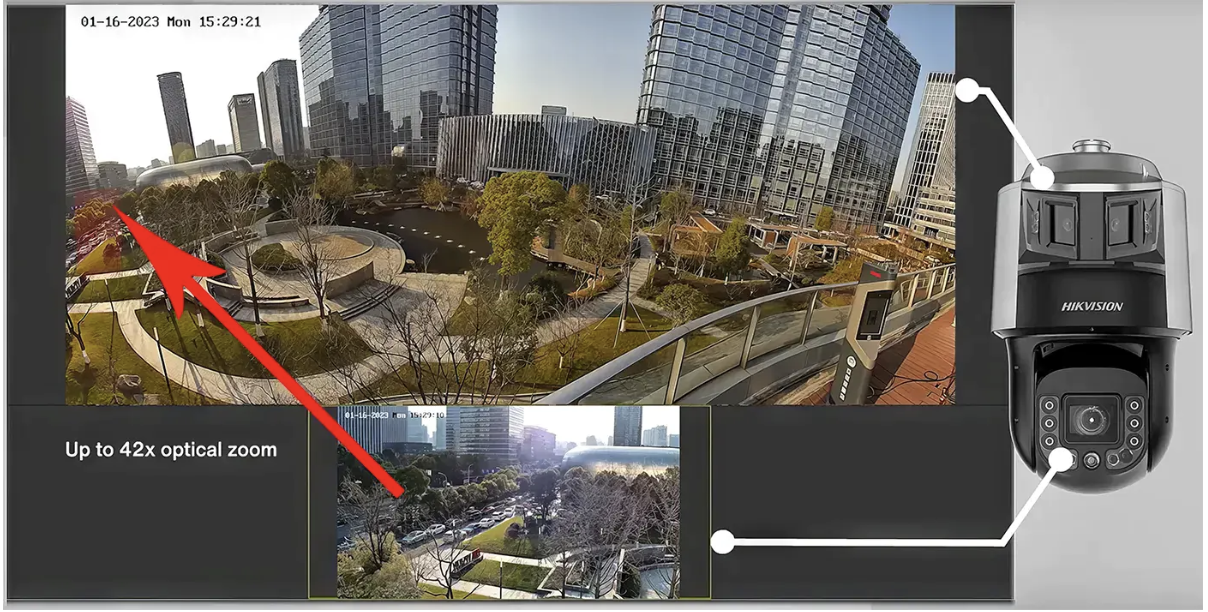
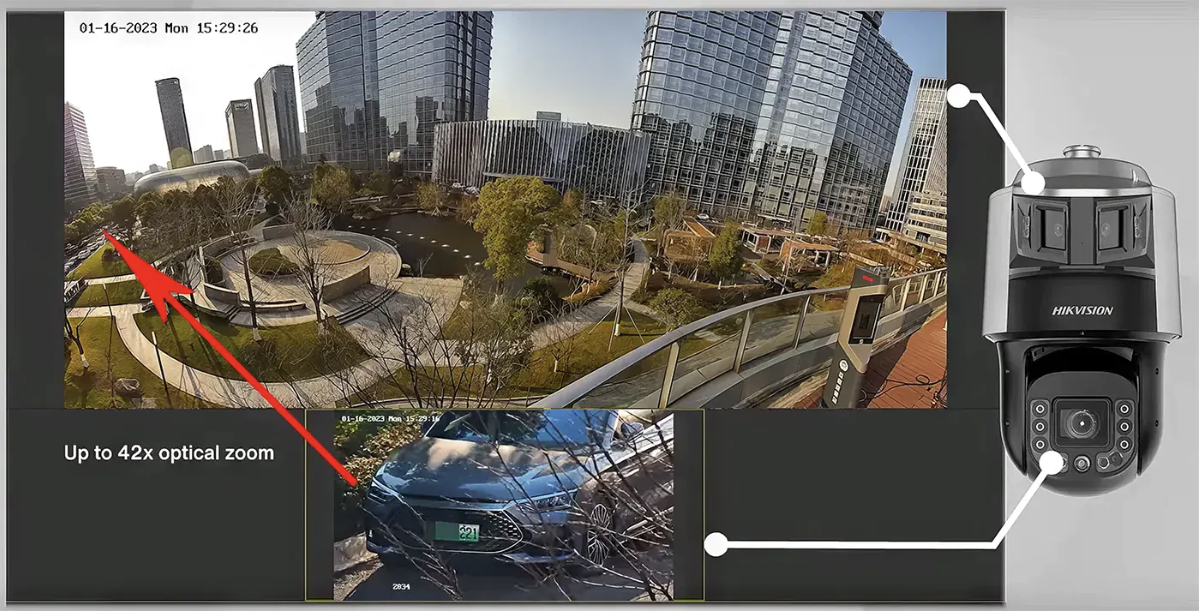
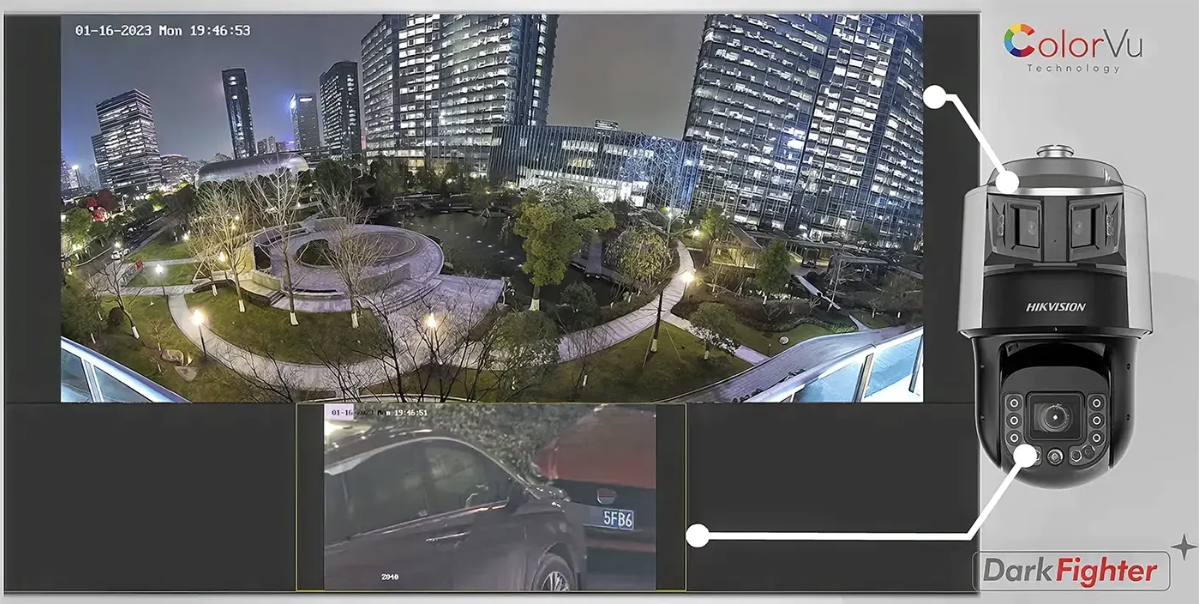
Consider the lens as the camera’s “eyes,” each offering a unique perspective. This table shows the expected visible distance for each lens, ranging from the wider field of view offered by the 2.8 mm lens to the more focused and distant observations achievable with the 252 mm lens.
For example, a 2.8 mm lens is ideal for close-range monitoring, covering up to 15 meters, while a 252 mm lens excels at capturing details at a distance of 400 meters.
These data help users understand the practical capabilities of different lenses when selecting a PTZ camera for specific monitoring needs.
Impact of Lens Selection on Nighttime Visibility To improve nighttime visibility, the lens chosen for the PTZ camera also affects its performance in low-light conditions. From the table, it’s clear that the lens not only impacts daytime clarity but also plays a role in nighttime monitoring. For instance, lenses with a wider aperture (such as 2.8 mm) can capture better low-light details over shorter distances.